-
Monday, 26. April 2021
Learning about system stability from ants
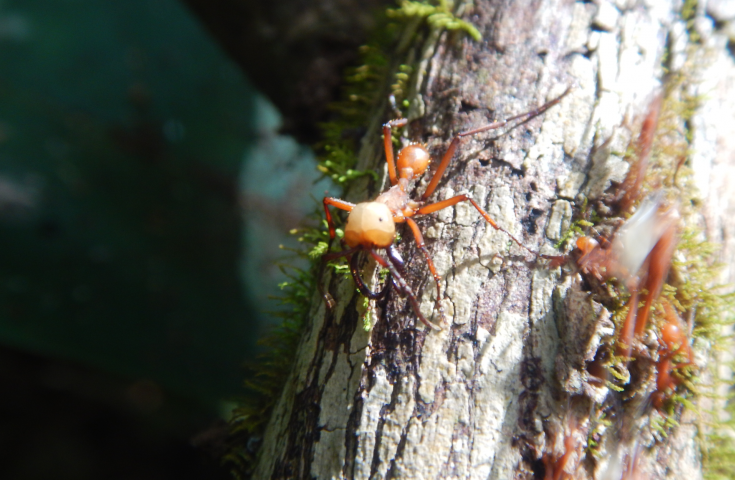 © James Herndon
Army ants collectively form complex, adaptable structures, without a need for communication read more 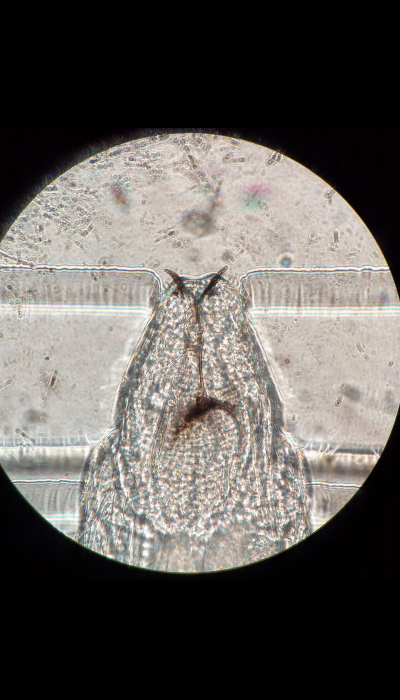
Monday, 15. March 2021
When fly larvae are hungry
read more
-
Wednesday, 10. March 2021
A general influenza vaccine
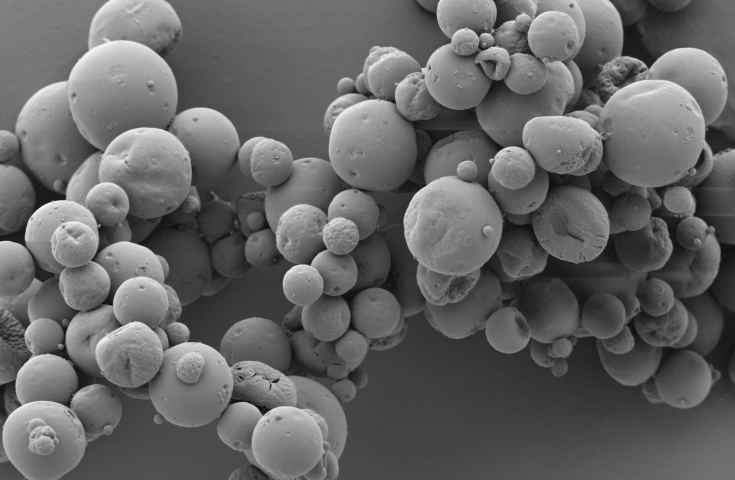 © Dennis Horvath, University of Konstanz
New vaccination method for lasting protection against all known influenza mutations in preclinical testing phase – potentially effective also against SARS-CoV-2 – joint research project of the University of Konstanz, University of Tübingen and Technische Universität Dresden read more -
Wednesday, 10. March 2021
User-friendly AI for animal behaviour
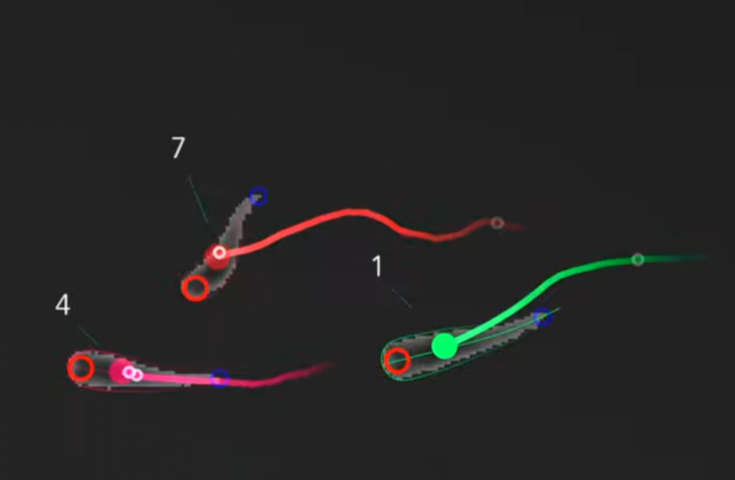
Developed by PhD student Tristan Walter and Professor Iain Couzin, the easy to use tool automatically tracks hundreds of individual animals. read more -
Tuesday, 02. March 2021
The road to quantum computing
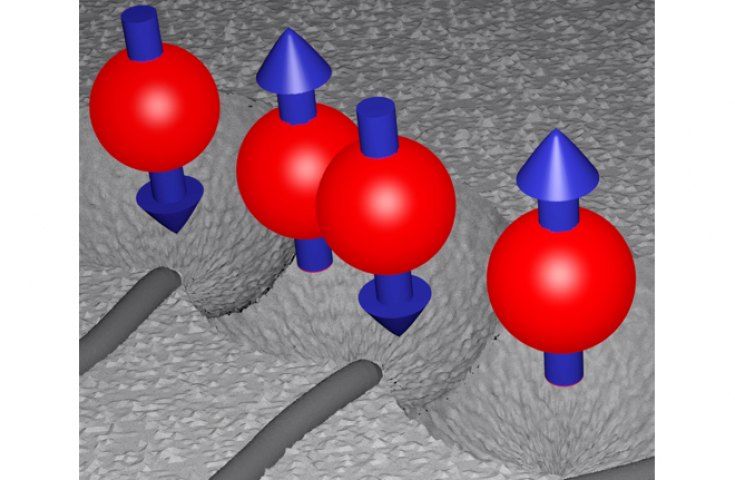 © AG Burkard | Schematic image of the new spin qubits consisting of four electrons (red) with their spins (blue) in the surrounding semi-conductor structure (grey)
How is quantum computer development currently progressing in Germany and Europe? read more -
Wednesday, 17. February 2021
More acceptance for animal-free research methods
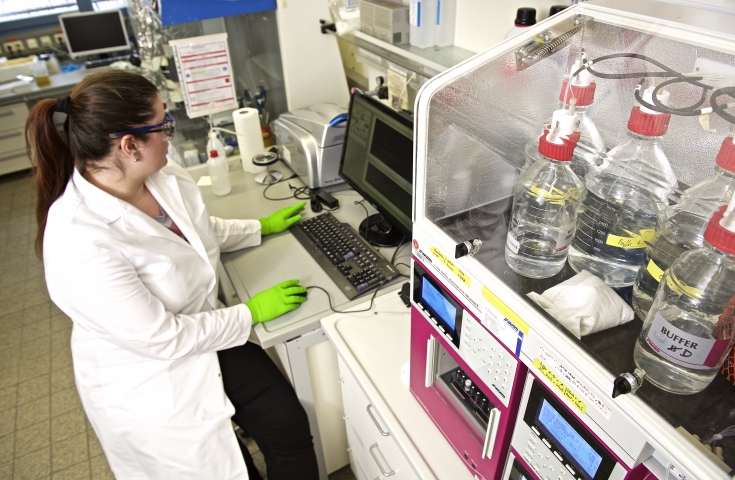
University of Konstanz is part of newly founded “3R Network Baden-Württemberg” read more -
Wednesday, 10. February 2021
Expanded SARS-CoV-2 screening at the University of Konstanz
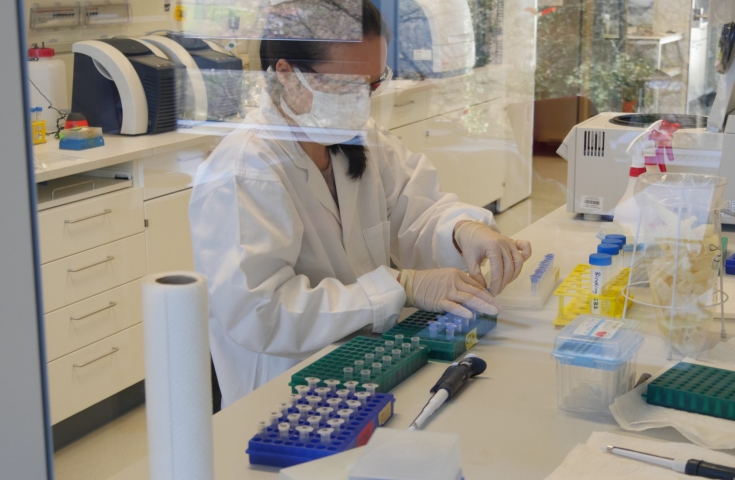 © University of Konstanz/Kathrin Zander
Since the beginning of November 2020, the Department of Biology at the University of Konstanz started offering voluntary RT-PCR-based rapid testing for SARS-CoV-2 to participants of on-campus lab courses and research groups. Why these weekly voluntary screenings on-campus? read more -
Tuesday, 10. November 2020
Group size and makeup affect how social birds move together
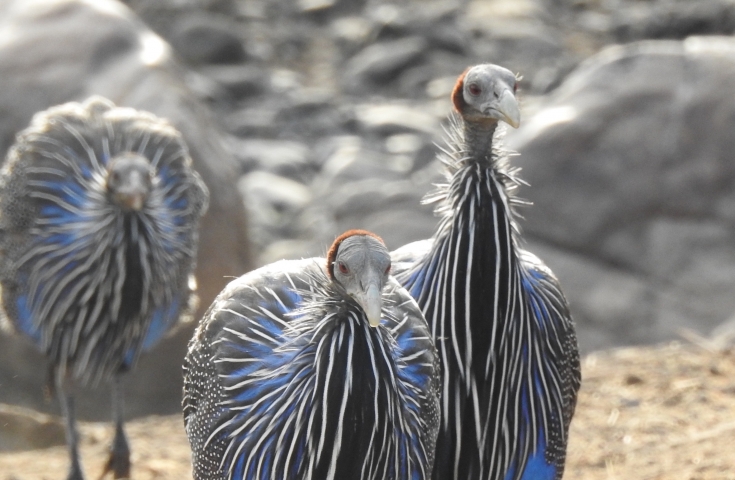 © Danai Papageorgiou
Scientists from the University of Konstanz and co-located Max Planck Institute of Animal Behavior have used high-resolution GPS tracking methods to provide new insights into how differently sized animal groups move and interact with their environment. read more -
Thursday, 15. October 2020
Why bad bosses can be lonely at the top
 © The Jordan Lab, Max-Planck-Institut für Verhaltensbiologie
Scientists taught groups of fish to solve a task to earn a reward—and in the process shed light on why aggressive leaders might be the least effective members of organisations. read more -
Thursday, 24. September 2020
Searching together: a lesson from rats
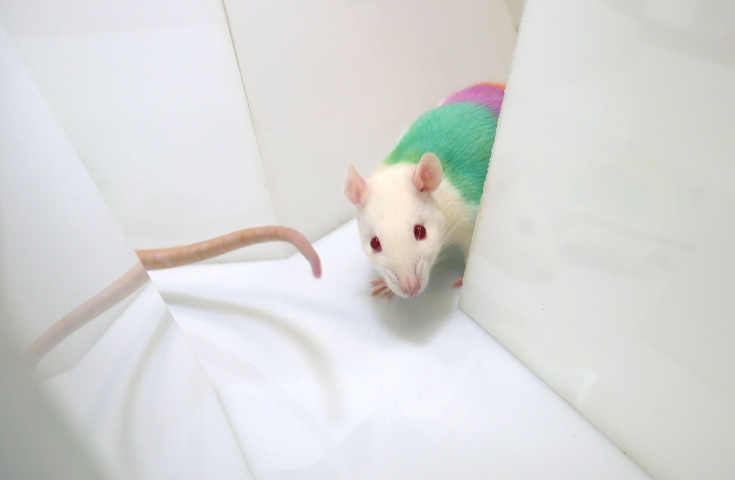
Concentrate on your own task but also pay attention to others—this is the key rule for success, at least for rats when exploring as a group read more
Uni Konstanz Header
campus.kn
The online magazine of the University of Konstanz
Header Logo